World
‘Just the tip of the iceberg’: how a Bali run club reignited tourist tensions on holiday island
Accusations Indonesians were being excluded deepened a sense of frustration held by some residents on the island
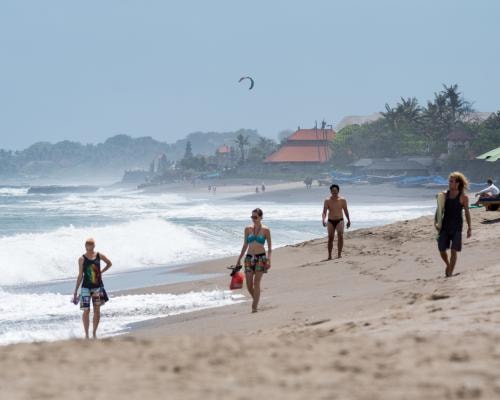
When Annisa Rahmadani posted online about being rejected from a social running club in Bali, she expected a few sympathetic comments. Instead, her story went viral, prompted national politicians to weigh in, immigration authorities to intervene and ultimately, the club’s Dutch organisers barred from Indonesia. “I had no idea it would get that big,” said the 34-year-old university lecturer from the Indonesian city of Bandung. “But it seems it was just the tip of the iceberg.” The controversy centred on the expat-run Entourage running club. The group attracted a huge backlash after posts like Rahmadani’s circulated online and sparked allegations it was excluding Indonesians and accepting foreigners. The club denies it excludes Indonesians and says the issue stemmed from its registration system incorrectly rejecting some Indonesian phone numbers. For many in Indonesia, the story hit a nerve, inflaming frustrations about an influx of wealthy foreigners and digital nomads on the island. It crystallised a feeling that parts of Bali are becoming socially and economically detached, places where locals says they increasingly feel like outsiders in their own home. “The patience of the locals had been tested for too long,” said Bali regional parliamentarian Niluh Djelantik. Bali has long been a popular tourist destination but since the pandemic, it has become a magnet for remote workers and digital nomads, drawn by the weather, surf, relatively low cost of living and relaxed visa requirements. Around tourism hubs such as Canggu and Uluwatu, co-working spaces, luxury gyms, paddle clubs and wellness retreats have overtaken warung food stalls and beach bars, alongside a growing foreign population choosing to stay for months or years. Despite an increase in jobs and income levels, the rapid transformation has brewed resentment among locals. Infrastructure has struggled to keep pace, housing costs have soared and frustrations over cultural clashes – from topless scooter riders to foreigners disrespecting sacred sites – have angered the Balinese and the wider Indonesian population. “In Bahasa Indonesia we say, Seperti api dalam sekam (like a fire under the dry rice husk). It had been escalating, and the fire was always going to come out,” said Djelantik. Djelantik said not all foreigners were causing problems, but some ignored local culture, broke the rules or worked illegally. ‘Rife with discrimination’ Run clubs have become popular activities in Bali for locals and foreigners. The Entourage group had held a similar early morning “silent disco” event in May, with social media posts showing a crowd jogging through the streets with headphones. Rahmadani, a keen runner, had wanted to join their next early morning event in July with her British husband. He was immediately accepted while she was rejected. The organisers later said they were targeting digital nomads and their registration system had incorrectly excluded some Indonesian phone numbers. Online, she found dozens of Indonesians reporting similar experiences, and screenshots of rejected applications quickly spread across social media. As criticism intensified, Entourage posted a statement denying it had intentionally discriminated against Indonesians. The run club said events were “open for everyone, including non-digital nomads”. The statement said Indonesians made up almost a quarter of participants and blamed an automated approval system for excluding some Indonesian numbers, adding it had paused events to review the processes. Entourage has been approached for comment. Immigration director-general Hendarsam Marantoko has since banned two Dutch nationals who were running the club from returning to Indonesia, described the club as “rife with discrimination against local residents”, and argued there “should not be a state within a state”. Bali’s tourism office also announced that organised running events would require permits in future. Bali governor Wayan Koster adopted a more measured tone, saying he did not believe the controversy showed foreigners were deliberately creating exclusionary enclaves. Running clubs, he said, remained welcome provided they complied with regulations. The debate comes as Bali grapples with record tourism. Foreign arrivals reached 6.9 million in 2025, surpassing the pre-pandemic high, while authorities have intensified immigration enforcement amid complaints over illegal work, tourist behaviour and visa violations. In the first six months of this year, 342 foreigners were deported. The crackdown has targeted foreigners accused of abusing tourist visas, including working illegally as tour guides, fitness instructors and online entrepreneurs, alongside high-profile incidents involving assaults on police, reckless driving, and public indecency at sacred sites. Social justice advocate Piter Panjaitan said those incidents had fuelled broader resentment among locals that had been building for years, alongside growing frustrations over rising housing and living costs, worsening traffic congestion and weak enforcement of immigration rules. “The laws are there, we just need to get better at enforcing them.” New Zealand content creator Hamish Newton-Vesty, who documents his life in Bali and his efforts to learn Bahasa Indonesia under the moniker “Bule Hamiss” – a play on the Indonesian word for foreigner and local pronunciation of his name – said the run club controversy prompted his Indonesian friends to share similar experiences. “Some foreigners come here arrogantly and have a mindset that it’s not their country, that they can just do whatever they want,” he said. Learning the language, understanding the culture and showing respect went a long way, he added. “I don’t think it’s actually a big ask.” For Rahmadani, the backlash was never about driving foreigners away. Her husband is British, and they still love visiting Bali. “We’re not against foreigners,” she said. “We’re just against those who abuse the system and who take it for granted.”
Read on theguardian.comKeep reading